
If you’re staring at missing shingles, a stubborn leak, or a roof that just looks tired, you might be asking the big question: can I get a new roof in winter in Utah?
Yes, you can. Winter roof replacement is common here, and it can go smoothly when the project is planned around temperature, materials, and safe installation practices. Utah’s winter weather can be intense, but that does not automatically mean your roof has to wait until spring.
In this guide, we’ll walk through how winter roofing works, what to expect in Utah, and how to decide if now is the right time for your home.
Why Is Winter Roof Replacement a Real Thing in Utah?
Utah homeowners deal with snow, wind, dry cold, and freeze and thaw cycles that love to find weak spots in a roof. If your roof is already compromised, waiting can turn a manageable problem into interior damage, mold risk, ruined insulation, and stained ceilings.
A winter roof replacement also keeps your home protected during the very season when your roof works the hardest. A new system with solid underlayment, correct ventilation, and tight flashing can make a huge difference in how your home handles storms.
What Conditions Make Winter Roofing Possible?
Roofing crews can install a new roof in winter as long as these basics are in place:
- Safe working conditions on the roof surface
- Proper temperature planning for the materials being installed
- A clear plan for snow removal and daily weather windows
- Quality installation details like flashing, ventilation, and ice and water barrier
Utah winters vary by region. Logan and Cache Valley can see heavier snow events. Ogden and the Wasatch Front can swing between sun and snow fast. A local crew that knows the patterns can schedule around them.
How Cold Is Too Cold for a New Roof?
This is where people get nervous, and it makes sense. Some roofing materials are more temperature sensitive than others.
Asphalt Shingles in Winter
Asphalt shingles can be installed in winter, but they need the right handling. Shingles rely on a sealing strip that bonds after installation. In cold weather, that seal can take longer to activate.
A good crew accounts for that by:
- storing shingles correctly before install
- following manufacturer guidance for cold weather installs
- using proper fastening patterns
- checking roof deck conditions carefully
Once the sun hits the roof and temperatures rise, shingles typically seal as designed.
Metal Roofing in Winter
Metal roofing can be a great winter option. Installation depends more on safety, layout, and correct fastening than on heat activated sealing. Metal also sheds snow well when installed properly and paired with solid snow management planning.
Underlayment and Adhesive Products
Some peel and stick membranes and adhesives have temperature ranges. A professional team plans product choices around the forecast so the system performs correctly.
What Happens if There Is Snow on the Roof?
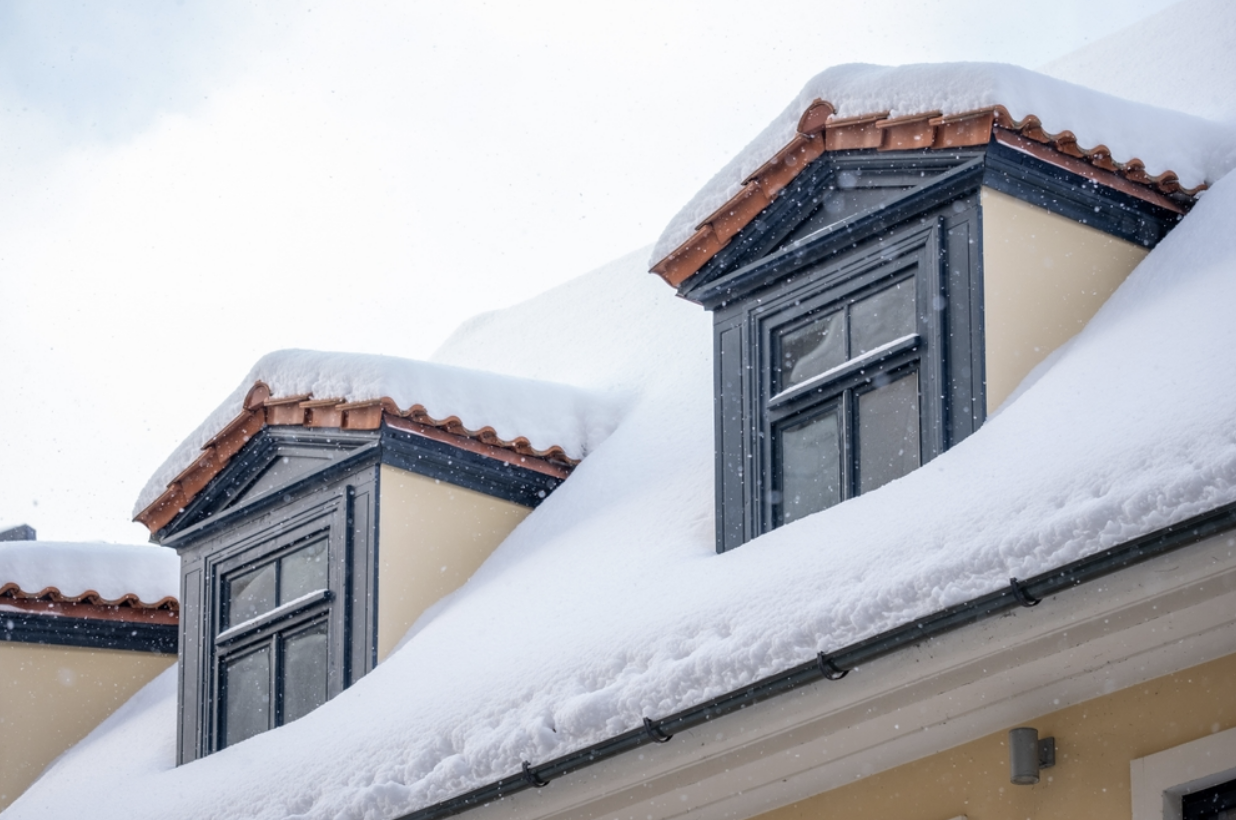
Snow does not automatically cancel a roof replacement, but it does change the plan.
Here’s how pros handle it:
- Roof surface is cleared before tear off and install
- Work zones are managed so decking stays as dry as possible
- Materials are staged to limit exposure to moisture
- The roof is dried in each day so your home stays protected overnight
Drying in is a big deal in winter. It means the roof gets temporary weather protection fast, typically with underlayment and water shedding layers installed the same day.
What Should You Expect During a Winter Roof Replacement?
Most standard residential roof replacements can still be completed quickly in winter, as long as the weather window cooperates. The main difference is that crews may schedule more carefully and may pause for safety during active snowfall or high winds.
Here’s a realistic flow:
- Inspection and planning around the forecast
- Material delivery and staging
- Tear off when the roof is safe and clear
- Deck inspection and repair if needed
- Ice and water barrier and underlayment installation
- Shingle or metal installation
- Flashing, ventilation, and ridge components
- Cleanup and final walkthrough
A reputable roofer keeps communication tight during winter so you always know what day work starts, what the backup plan is, and how your home is protected during the process.
Does a Winter Roof Replacement Cost More?
Sometimes it can, but not always. Pricing depends on factors like roof complexity, how much damage needs repair, and material choice.
Winter can also bring a few advantages:
- Scheduling can be more flexible than peak summer months
- Crews can often start sooner
- You avoid further water damage that can add to the overall cost
If your roof is leaking, waiting can get expensive fast. In many cases, replacing now protects your budget as much as it protects your home.
What Winter Risks Can a New Roof Help With?
Ice Dams
Ice dams form when heat escapes into the attic, warms the roof surface, and melts snow. That water refreezes at the eaves and can back up under shingles.
A new roof can help when paired with the right system details, like:
- ice and water barrier in vulnerable areas
- proper ventilation
- correct insulation strategy recommendations
- clean flashing lines at valleys and penetrations
Wind Driven Snow and Rain
Utah storms can push moisture sideways. That makes flashing, underlayment, and edge details even more important than the shingles you see from the street.
Freeze and Thaw Stress
Small gaps become bigger problems when water freezes and expands. A new roof installed with clean transitions and correct sealing helps prevent those tiny entry points.
What Are the Signs You Should Not Wait Until Spring?
If you are seeing any of these, it is smart to get a professional inspection now:
- active leaks or water stains on ceilings
- missing, curled, or cracked shingles
- shingles in your yard after wind
- sagging areas or soft spots
- heavy granule loss in gutters
- flashing damage around chimneys or vents
How Does Homer Roofing Make Winter Installs Smoother?
At Homer Roofing, we plan winter installs around Utah conditions, not generic roofing advice. We’re local, and we know how quickly the Wasatch Front can change and how intense Cache Valley snow can get.
Here’s what you can expect from our process:
- a clear inspection and honest recommendation
- scheduling that respects weather and safety
- material planning that fits winter temperature ranges
- careful attention to ventilation and flashing
- daily job site cleanup and protection for your home
- straightforward communication so you are never guessing
If your roof needs replacement, we’ll help you understand the best timing and the best roofing system for your home.
What Can Homeowners Do to Prepare for Winter Roofing?
You can make the project easier with a few quick steps:
- Clear driveway space so materials can be delivered safely
- Move vehicles away from the work area
- Keep pets inside during active work hours
- Plan for noise and vibrations during tear off
- Ask your roofer how they dry in the roof each day
A good contractor will walk you through all of this before the first nail is placed.
FAQ: Can I Get a New Roof in Winter?
Can Shingles Seal Properly in Winter?
They can, and the sealing often completes once the roof sees sun and warmer daytime temperatures. Proper installation and fastening matter a lot.
What if a Storm Hits During the Project?
Your roofer should have a plan for daily drying and weather protection. This is a normal part of winter scheduling.
Is Winter a Good Time to Replace a Roof in Utah?
It can be, especially if your roof is already failing. Winter replacement can prevent additional damage during the season that puts the most stress on your roof.
Ready to Talk Through Your Roof in Utah?
Homer Roofing serves homeowners across Utah,including Logan and the Wasatch Front. We’ll tell you what your roof needs, what timing makes sense, and what the next steps look like.
Reach out to Homer Roofing today to schedule your free roof inspection and get a winter ready plan that keeps your home protected.